
In the era of ADC-driven precision medicine, a single IHC score can determine whether or not a patient qualifies for a targeted therapy. As treatments grow more sophisticated, the stakes of IHC scoring have never been higher. However, the underlying scoring method has remained unchanged. The current IHC evaluation workflow is semi-quantitative, observer-dependent, and blind to the full biological context of target expression, including the spatial relationships, subcellular dynamics, and quantitative heterogeneity of target expression that increasingly define which patients respond and which do not.
What if investigators could gain comprehensive, quantitative insights into the dynamics of IHC signals to better inform biomarker strategy? This is the transformative potential of IHCExplore*. Developed by PathAI, IHCExplore is an AI-powered digital pathology tool designed to quantify histopathological features from IHC-stained whole slide images (Figure 1), providing detailed cell- and tissue-level insights, including tumor compartmentalization, cell densities and spatial distributions, staining intensity, and subcellular signal localization. Thus, IHCExplore transforms the process for evaluating IHC from a subjective read into a quantitative, scalable process through the automatic and exhaustive extraction of thousands of spatial, subcellular, and compositional features.
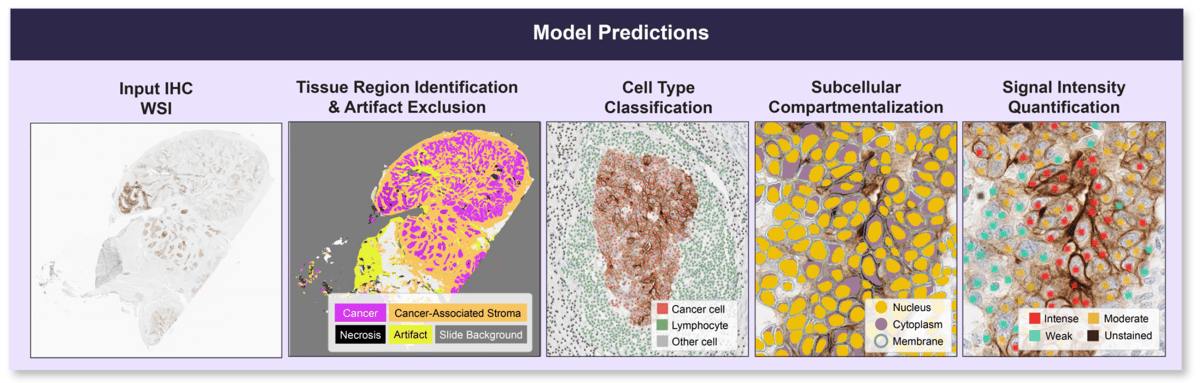 Figure 1: IHCExplore overview
IHCExplore development
IHCExplore was built using our Pathology-Universal Transformer (PLUTO) foundation model as its backbone. Additional fine-tuning of IHCExplore used large-scale, expert-annotated datasets spanning multiple tumor types and immunohistochemistry (IHC) assays to train task-specific downstream models to predict tissue regions and cell types and allow segmentation of the nucleus, plasma membrane, and cytoplasm of individual cells (Figure 2).
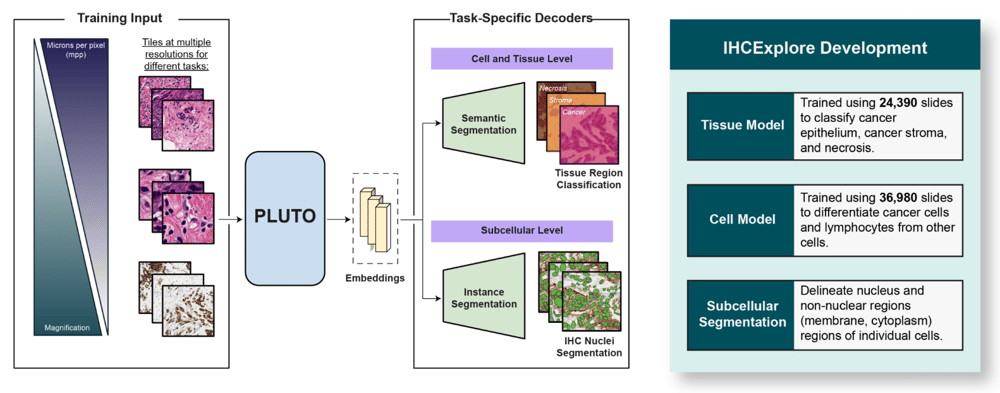
Figure 1: AISight Link Overview Figure 2. IHCExplore development
IHCExplore evaluation
IHCExplore performance was benchmarked against three expert pathologists. Each pathologist performed exhaustive annotations on image patches subsampled from whole-slide images derived from a variety of clinically-relevant cytomembranous and nuclear stains, both in within model training distribution (PD-L1, HER2, ER, PR, and Ki-67) and out of distribution (Claudin 18 and Mesothelin). Precision, recall, and F1 for predictions of cell types and tissue regions were calculated. As shown in Figure 3, IHCExplore identification of these substances was comparable to manual pathologist annotation, including for two stains not included in model training (Claudin 18 and Mesothelin).
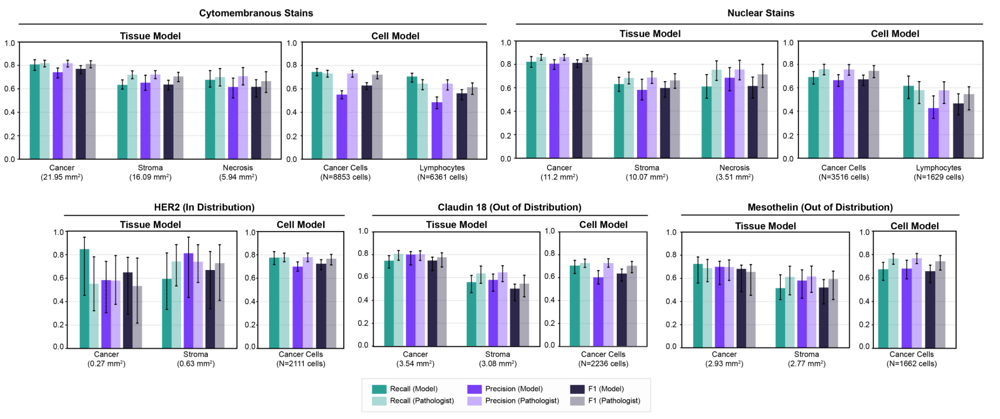
Figure 3. IHCExplore predictions are comparable to pathologist labeling of relevant tissue regions and cell types.
IHCExplore features
From the predictions made by IHCExplore, we compute a broad set of over 600 features that quantify key details about the underlying composition and target dynamics across a specimen. We designed these features to address four key themes (Figure 4):
-
Tumor microenvironment composition: Given the pixel-level predictions of tissue regions and cell classifications made in an IHC specimen, IHCExplore outputs include features quantifying the areas of tissue regions, as well as densities and relative counts of cancer cells and lymphocytes within specific tissue compartments. While pathology investigators can appreciate the general composition of an IHC specimen, IHCExplore quantifies tissue composition at scale, potentially unlocking novel insights.
-
Categorical scoring: IHCExplore provides continuous measurement of the intensity of the 3’diaminobenzidine (DAB) chromogen, reflective of target protein expression, on the individual cell level at subcellular resolution, enabling high-resolution investigation of protein expression. Thus, staining intensity can be quantified not only at the slide level, but also within specific cell types and tissue regions. Consequently, known histologic scoring metrics can be generated from IHCExplore outputs, such as H score and tumor proportion score. The ability to capture these previously semi-quantitative metrics in a standardized manner across the entirety of a whole slide image provides a new level of standardization and scalability not previously possible with manual IHC review. The continuous nature of IHCExplore-computed intensity scores also allow investigators to calibrate expression thresholds within relevant subcellular compartments. The ability to characterize target protein expression with such high granularity has the potential to revolutionize biomarker quantification. Without the limitations of a purely visual assessment, IHCExplore allows investigators to identify IHC biomarker thresholds with previously unfeasible precision, potentially improving the prediction of patients who may respond to targeted treatment.
-
Subcellular target localization: Beyond simple expression levels, the degree of target expression within subcellular regions is of immense importance in oncology. For example, the quantification of the relative amount of target expression on the plasma membrane relative to the cytoplasm can be indicative of internalization dynamics and may, in turn, predict response to ADCs that require lysosomal degradation of the drug for release of the payload. IHCExplore allows the quantification of target expression on the plasma membrane, within the cytoplasm, and at the nuclear level, enabling quantifiable insights on target dynamics (e.g., receptor internalization) to be gleaned.
-
Target spatial distribution: Intratumoral heterogeneity is a complicating factor to many scoring endeavors, yet cannot be quantified by manual IHC evaluation. IHCExplore quantifies the spatial relationships between cell types to more thoroughly characterize target expression distribution and heterogeneity as well as cell proximity dynamics and potential interaction patterns. While quantification of these features is critical for the identification of potential bystander interactions in the setting of ADC treatment, these insights cannot be captured by the naked eye.
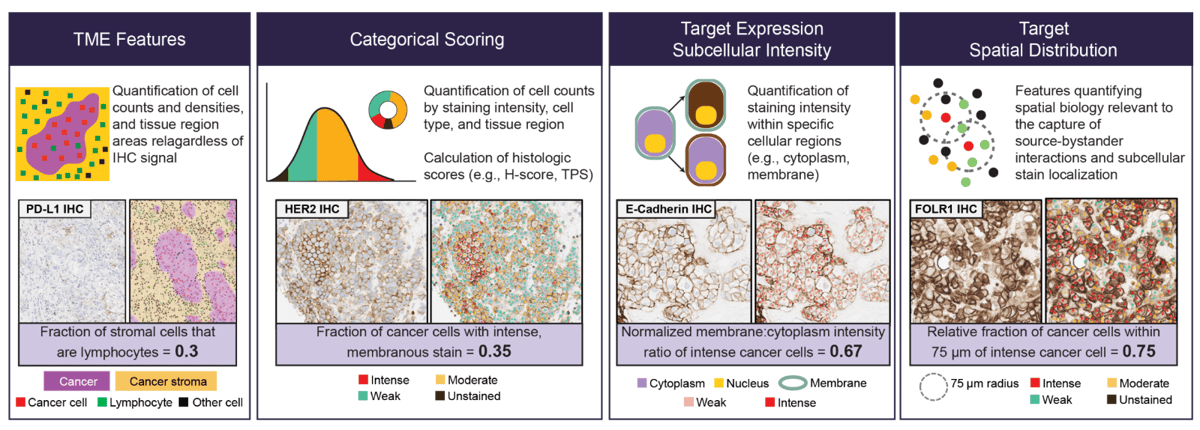
Figure 4. IHCExplore-quantified biomarkers
Potential utility of IHCExplore features
The breadth of features that are computed by IHCExplore beg the question – how can investigators use these outputs to address outstanding questions in oncology?
In short, the modular nature of the IHCExplore features allow investigators to use them for several key use cases, including to identify novel biomarkers, improve IHC-based scoring, and reveal novel target dynamics (Figure 5).
For investigators with outcome data, the question of biomarker discovery is particularly intriguing. Panels of IHCExplore features capture a more holistic picture of biomarker biology dynamics than pure expression alone, reflecting not only bulk target expression but intracellular localization, spatial interactions with the tumor microenvironment, and other factors not quantifiable by the naked eye. The use of these panels as computational biomarkers may improve the ability to predict response for precision oncology.
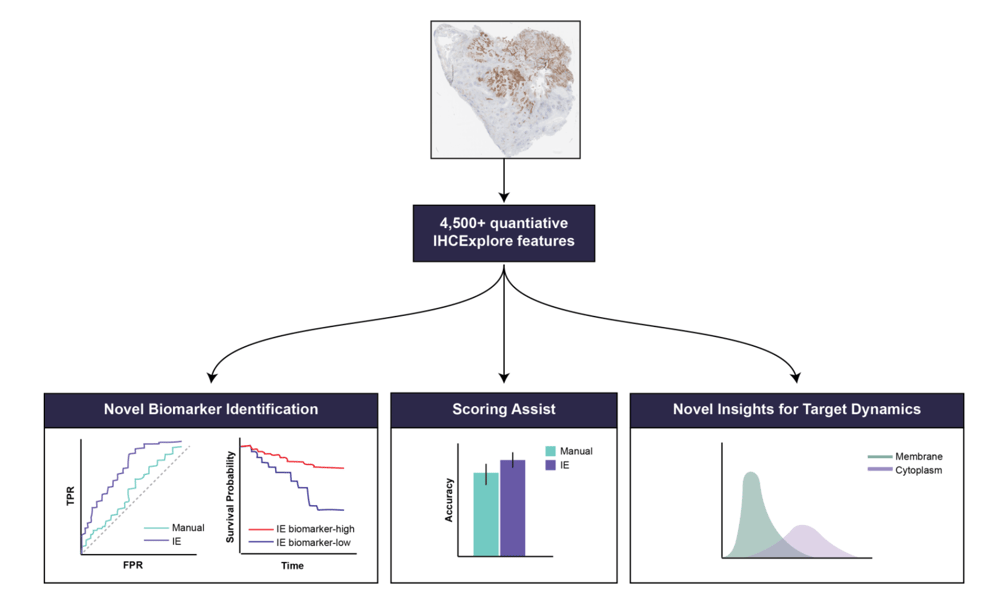 Figure 5. Potential use cases for IHCExplore (IE)
The promise of precision oncology depends on our ability to extract meaningful, reproducible, and quantitative insights from tissue at every stage of a therapy's journey. IHCExplore delivers on this promise by transforming IHC from a semi-quantitative, observer-dependent exercise into a scalable, AI-driven platform capable of generating rich, standardized biomarker data. For investigators in translational research, IHCExplore accelerates biomarker discovery by uncovering spatial, subcellular, and compositional signals invisible to the naked eye. As programs advance into clinical development, the platform's ability to standardize scoring and fully quantify features such as TPS and H-score across entire whole-slide images and cohorts supports consistent, reproducible endpoints across study sites. And as assets approach regulatory submission and commercial launch, the analytical rigor and validation data underpinning IHCExplore provide the evidentiary foundation needed to support companion diagnostic development and label claims. From first-in-human studies to post-market commitments, IHCExplore equips investigators with the tools to not only ask but answer the right questions about their target, their therapy, and their patients.
*IHCExplore is For Research Use Only. Not for use in diagnostic procedures.