As digital pathology adoption accelerates across anatomic pathology, laboratories are rethinking how they scale operations, collaborate across sites, and maintain long-term sustainability. In our work with laboratories operating under Technical Component and Professional Component (TC/PC) models, one theme consistently emerges: traditional workflows are increasingly being stretched by the growing complexity, volume, and expectations of modern pathology services.
In this blog, we share how we think about digital pathology and algorithm-assisted capabilities as enablers for modern TC/PC workflows, based on what we continue to learn through close collaboration with laboratories across a range of operational models. These insights inform not only how PathAI supports labs today, but also how we continuously refine and evolve our digital pathology platform to better address real-world laboratory needs.
The Challenge with Traditional TC/PC Workflows
In conventional Technical Component / Professional Component (TC/PC) models, the technical component (specimen processing, slide preparation, and staining) and the professional component (pathologist interpretation and reporting) are often performed at different locations, and in some cases by different organizations. This model has historically enabled laboratories to extend their reach and balance capacity across regions, but it also relies heavily on the physical movement of glass slides between sites.
Across our work with distributed reference laboratories operating TC/PC models, we consistently hear about the operational strain created by physical slide logistics, including rising courier costs, limited visibility into case readiness across sites, and added coordination for re-cuts, consults, and rush cases that can make turnaround times less predictable.
As a result, physical slide logistics introduce complexity at nearly every step:
- Slides must be shipped between technical and professional sites, introducing delays, breakage risk, and recurring logistics costs
- Re-cuts, re-stains, and additional work often require manual coordination across teams and locations
- Pathologists lack real-time visibility into case readiness, completeness, and prior materials
- Consults and second opinions are slow and expensive when they depend on shipping glass slides
Over time, these challenges can lengthen turnaround times, strain staff resources, and impact service consistency. Industry commentary has consistently highlighted turnaround time, collaboration, and workforce constraints as key pressure points in anatomic pathology operations. CAP Today’s roundtable on digital pathology adoption notes that many laboratories are still “playing catch-up” with digital transformation, and that adoption of digital pathology and AI tools is driven in part by the operational benefits labs seek as they scale¹.
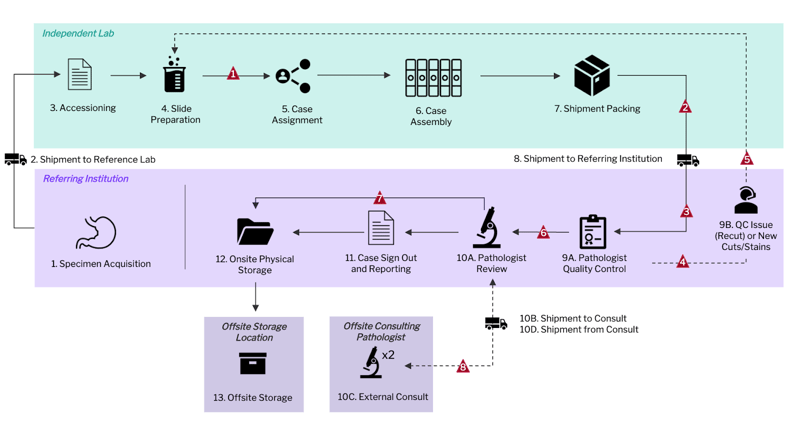
Figure 1: Traditional TC/PC workflows reply on physical slide logistics that can introduce inefficiencies, delay turnaround times, and increase operational risk.
What Changes with Digital and Modern TC/PC Workflows
A digital TC/PC workflow replaces physical slide movement with digital access, allowing slides to be scanned once at the technical site and reviewed remotely by professional component pathologists. This shift removes many of the bottlenecks created by shipping and handoffs and gives both technical and professional teams a shared, real-time view of case status, materials, and readiness.
In practice, platforms like AISight Dx² centralize case access, review, collaboration, and annotation within a single environment, with AISight Live enabling real-time, multi-user collaboration and shared slide viewing. For distributed laboratory networks, this shared visibility can significantly reduce coordination overhead and help cases move forward more predictably, even when teams are working across multiple locations.
Digital pathology can also help laboratories identify issues earlier and manage work more proactively. Case management and collaboration tools support quality checks and slide readiness, with workflow tools such as ArtifactDetect³ assisting in the identification of common slide and scanning artifacts. This enables earlier rework decisions, improved prioritization and workload planning, and more efficient consults and second opinions by reducing reliance on shipping physical glass slides.
Rather than replacing the role of the pathologist, digital pathology platforms like AISight Dx are designed to support key workflow steps, reduce avoidable manual effort, and help laboratory teams operate with greater consistency as volumes and network complexity grow.
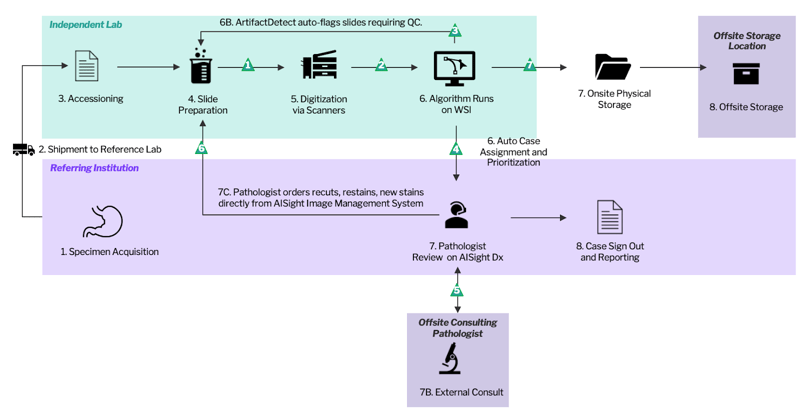
Figure 2: Digital TC/PC workflows simplify logistical complexity, improve transparency, and support stronger customer satisfaction and retention
Scaling TC PC Requires More Than Digitizing Slides
While digitization removes many logistical barriers, modernizing TC/PC workflows at scale requires more than converting glass slides into digital images. Distributed laboratory networks need infrastructure that can operate reliably across multiple sites, user groups, and workflow variations without adding operational overhead.
In practice, this means platforms must integrate smoothly with laboratory information systems and existing workflows, support dynamic case routing across technical and professional sites, and maintain security, governance, and storage requirements as networks grow. Equally important, many laboratories need to support a mix of digital-native and transitioning professional component partners. Flexibility is critical when customers adopt digital workflows at different paces.
This is where ongoing collaboration plays a central role. Working closely with laboratories across different TC/PC operating models provides a continuous feedback loop into what works, what slows teams down, and where software can reduce friction. These learnings directly inform how AISight Dx evolves over time, from workflow automation that reduces manual coordination and rework, to collaboration features that improve shared visibility, to algorithm-assisted capabilities that support quality checks, prioritization, and operational efficiency in real-world environments.
By building and improving alongside laboratory partners, the goal is to ensure digital pathology infrastructure supports not only today’s technical requirements, but also the operational realities that determine whether TC/PC workflows are sustainable, consistent, and ready to grow.
Commercial Impact: Supporting Growth and Differentiation
Digital TC/PC workflows are becoming increasingly important as laboratories look to grow and differentiate in a changing market. As expectations rise around turnaround time, transparency, and collaboration, digital pathology is no longer viewed only as an internal efficiency tool, but also as part of the customer-facing service experience.
In conversations with reference labs, many describe digital TC/PC workflows as more than an efficiency upgrade, they see them as a way to strengthen relationships with referring institutions. Faster turnaround times, shared visibility, and easier collaboration are increasingly part of what customers expect from a modern reference lab partner.
Many laboratories are exploring different commercial approaches to reflect this shift. Some embed digital workflows into their standard TC services, using faster turnaround times and improved visibility as baseline differentiators. Others offer digital access and algorithm-assisted capabilities as value-added options aligned to specific customer needs, such as subspecialty consults, complex case collaboration, or higher-volume workflows that benefit from additional automation.
In both cases, digital TC/PC workflows can support stronger customer relationships through more predictable operations, improved communication, and greater insight into case status. Industry commentary increasingly notes that digital pathology capabilities are becoming a key selection criterion for hospitals and outpatient practices evaluating reference lab partners, particularly as care delivery models become more distributed and time-sensitive.
Looking Ahead
As workforce pressures, margin constraints, and demand for faster results continue to shape anatomic pathology, algorithm-assisted digital pathology platforms are poised to play an increasingly important role in modern TC/PC workflows.
PathAI will continue investing in AISight Dx through ongoing software enhancements and algorithmic advancements, informed by close collaboration with laboratory partners. By applying lessons learned from working with leading laboratories and academic medical centers worldwide, we focus our roadmap on the operational realities teams face every day, reducing friction in core workflows and continuously refining the platform to better meet evolving customer needs. Our goal is to support laboratories as they scale digital operations, improve efficiency, and deliver high-quality pathology services in an increasingly complex healthcare landscape.
Curious what AISight Dx could look like in your lab? Connect with our team for a readiness assessment and tailored rollout plan.
Contact us at digitaldx@pathai.com, or Request a demo of AISight today.
Reference
-
CAP Today, Digital pathology leaders on momentum and AI, September/October 2025
-
AISight® Dx is FDA-cleared for primary diagnosis in the US and CE-IVD marked for primary diagnosis in the EEA, UK, and Switzerland.
-
ArtifactDetect is a workflow tool available on AISight® Dx.